

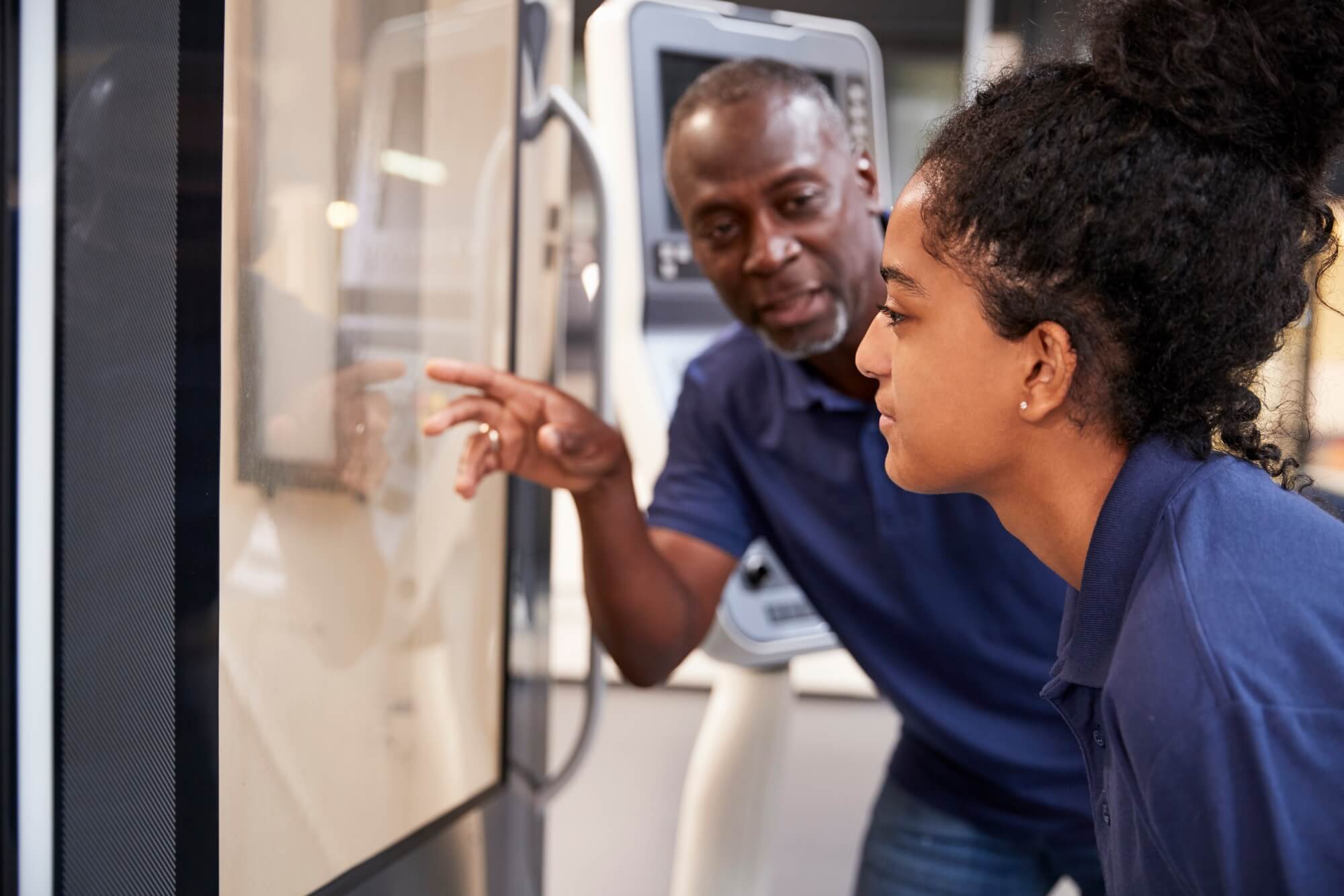
CNC machining represents the pinnacle of technological advancement and accuracy. Yet, amidst the buzz of CNC machines and technical complexity, there’s an often overlooked but equally essential aspect: soft skills. While hard technical skills are visibly paramount, these more subtle interpersonal abilities are key in the fast-changing CNC machining industry.
Today, senior-level purchasers and design engineers aren’t just looking for machinists who can run multi-axis machines—they’re looking for professionals who can think ahead, communicate clearly, and adapt quickly. A machinist with strong soft skills can spot tolerance concerns before they become costly, collaborate with engineers to refine parts, and reduce rework that affects timelines and budgets. These traits build trust and help deliver the level of quality buyers expect.
As the manufacturing industry continues to evolve, so do expectations. Technical proficiency alone isn’t enough.
In this article, we’ll explore the essential CNC machinist skills that go beyond technical ability, including communication, adaptability, problem-solving, decision-making, and attention to detail—and why they matter more than ever.
The Evolving CNC Machining Landscape
There was a time when CNC machining was just about knowing and operating machines. Today, the field has evolved, requiring a blend of technical knowledge and soft skills. Modern CNC machinists handle complex projects that demand not only proficiency in CNC programming and operation but also the capacity to adapt, communicate effectively, and collaborate.
The working environment now includes constant upgrades to CAD/CAM systems, multi-axis machining capabilities, and simulation tools that help validate programs before cutting. As aerospace, automotive, defence, and medical applications continue to push innovation, machinists must also work with an expanding range of alloys, composites, and engineered plastics. Each new material requires different feeds, speeds, and tooling approaches.
On top of the technical changes, customer expectations are higher than ever. Tight timelines, tighter tolerances, and high-mix, low-volume production mean machinists must be flexible from one job to the next.
This is the point at which soft skills—particularly adaptability, resilience, and strong communication—become indispensable. Machinists who can pivot quickly, stay calm under pressure, and learn new systems with ease bring tremendous value to both the shop floor and the customer experience.
Key Soft Skills Every CNC Machinist Needs for Success
In the context of CNC machining, soft skills are the personal and interpersonal attributes that enhance technical abilities. These skills are crucial in a setting where precision is everything. CNC operators equipped with robust soft skills are better prepared to manage complex machine operations and client interaction.
These are the manufacturing skills that keep projects on track and help create better outcomes for customers.
Problem-Solving and Decision-Making
Problem-solving in CNC machining goes beyond just fixing equipment malfunctions. It involves anticipating potential challenges, refining manufacturing processes, and making decisions that improve efficiency and safety. CNC operators with adept problem-solving skills can identify and address the root causes of issues, thereby saving time and resources.
For example, a machinist may notice that a complex aerospace part has a tight internal radius that pushes the limits of the available tooling. Instead of running the setup as-is and risking chatter or tool wear, they might reach out to the design team to confirm whether the radius can be slightly adjusted. That simple conversation can save hours of machine time and avoid scrap.
Another key aspect of problem-solving is evaluating tolerance stack-ups before production begins. A machinist who takes the time to review prints closely may spot a tolerance conflict between mating parts. By raising the concern early, they prevent rework, maintain efficiency, and strengthen customer trust.
In many cases, problem-solving also requires a mix of technical judgement and communication. Whether it’s choosing the proper toolpath, balancing feeds and speeds for a new material, or deciding when to pause a job due to unusual spindle load, strong decision-making ensures better outcomes for both the shop and the customer.
Communication and Collaboration
CNC machining is inherently collaborative, requiring regular interaction with colleagues, clients, and other stakeholders. Therefore, effective communication is essential for CNC operators. The ability to clearly convey complex technical information and collaborate with others is critical to achieving project objectives and ensuring client satisfaction.
Clear communication helps avoid costly mistakes. When machinists speak up early about potential issues—whether it’s a dimension that doesn’t match the model, a missing hole callout, or a workholding challenge—they prevent delays and rework. This proactive mindset builds trust with customers and reassures design engineers that their parts are being handled with care.
Communication also intersects with attention to detail. When a machinist notices a possible improvement to a machining strategy—such as adjusting the depth of cut, changing the tool type, or modifying the setup—sharing that insight can shorten cycle times and improve part quality. These everyday conversations help optimize production and reinforce a culture of continuous improvement.
In high-mix, low-volume environments, where every job is different, communication becomes even more critical. A single overlooked detail can throw off an entire run. By maintaining open dialogue with engineering, QA, and leadership teams, machinists help ensure that each project moves smoothly from concept to completion.
Adaptability and Resilience
Adaptability is one of the most essential soft skills for CNC machinists today. With continuous advances in machine tool technology, programming software, and materials, machinists must be ready to adjust at a moment’s notice.
Shops regularly upgrade to new CAD/CAM versions, add automated probing cycles, incorporate 5-axis equipment, or shift to new inspection tools. These changes require machinists to stay curious, flexible, and open to learning.
Material innovation adds another layer. Aerospace alloys, medical-grade stainless steels, carbon-fibre composites, and new heat-treated materials all behave differently under the cutter. Machinists must understand how to modify:
- Feeds and speeds
- Toolpath strategies
- Coolant flow
- Tool selection and coatings
This adaptability helps ensure accuracy and efficiency, even with unfamiliar materials.
Resilience ties closely to adaptability. CNC machining can be fast-paced, with frequent setup changes and evolving customer requirements. Resilient machinists stay calm when problems arise, adjust quickly, and maintain productivity without sacrificing quality.
Example:
A machinist begins a new job machining a medical device from a high-hardness stainless steel they’ve never cut before. The original speeds cause chatter and rapid tool wear. Instead of pushing through, they pause, adjust the RPM and chip load, switch to a more rigid toolholder, and shorten the stick-out. These quick adjustments bring the process back under control, reduce scrap risk, and keep the job on schedule.
This combination of flexibility and resilience is what sets exceptional machinists apart.
Teamwork: Achieving Collective Excellence
Engineering projects often involve multiple stakeholders, each bringing their own expertise to the table. The ability to work effectively as part of a team is paramount. CNC operators, engineers, and managers must work together to ensure project success.
Teamwork shows up in areas such as:
- Collaborating with design engineers to refine a part for manufacturability
- Working alongside QA staff to validate critical dimensions
- Communicating setup details with other machinists to ensure consistency
- Coordinating with purchasing to ensure tooling availability
Effective teamwork relies on empathy, respect, and flexibility. When machinists listen to each other’s ideas and treat every suggestion seriously, it leads to smoother operations and fewer errors. Strong collaboration not only ensures better results but also builds a healthier workplace culture.
Attention to Detail: Ensuring Precision and Quality
CNC machining is a field where precision is a fundamental requirement. Attention to detail is a critical soft skill that enables operators to uphold the highest quality standards. This skill involves a thorough approach to every facet of machine operation and project management, from the initial design phase right through to the final output.
Attention to detail is most visible in work involving tight tolerances, intricate geometries, or fine surface finishes. A machinist who double-checks tool offsets, verifies probing routines, or measures stock before starting can prevent issues that might only appear later in production.
This soft skill also closely connects with communication. For instance:
- Identifying a tolerance mismatch before machining
- Recommending a chamfer instead of a sharp corner for durability
- Noticing that a part could be oriented differently to improve accuracy
These insights can shorten cycle times, reduce scrap, and improve final part quality.
Scenario example:
A machinist preparing to run a batch of aerospace brackets notices that the print shows a tight positional tolerance for a hole near a thin wall. Rather than running it as-is, they adjust the machining order to rough the pocket first, reducing deflection risk before drilling. The result is a more consistent hole location and fewer rejected parts.
In high-mix, low-volume environments where every piece matters, these details make all the difference.
How Ben Machine Cultivates Soft Skills
Ben Machine recognizes the invaluable role of soft skills alongside technical expertise and nurtures these qualities within its workforce. We understand that a culture that values and develops soft skills is vital to remaining competitive in the CNC machining industry and to helping our employees continue to grow in their own careers.
Our initiatives include regular training workshops focusing on communication, teamwork, and problem-solving; mentorship programs that foster knowledge sharing; and a supportive work environment that values each employee’s unique contributions. These initiatives help machinists grow their confidence, share ideas more openly, and build stronger working relationships.
We also place high importance on continuous learning and adaptability. With ongoing technological advancements, including new CAD/CAM features, upgraded machines, and evolving material requirements, we ensure machinists have the resources and coaching they need to stay ahead. Whether it’s refining feeds and speeds for a new alloy or learning a different inspection method, our team is empowered to keep improving.
For those seeking manufacturing career opportunities where CNC machinist skills and soft skills are equally valued, Ben Machine offers an ideal environment. Explore our career opportunities and become part of a team that values your growth and expertise.
